American History & Heritage
Teaching the Civil Rights Movement to Children
The civil rights movement was built by thousands of ordinary people, including children. How to teach it with depth, honesty and hope at every age.
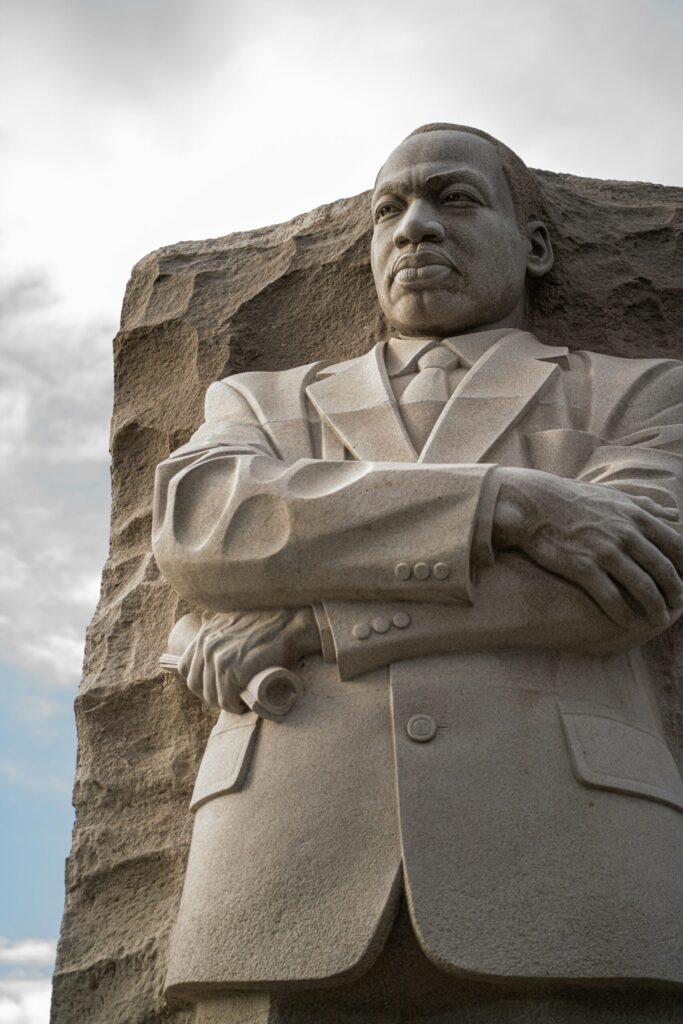
The civil rights movement is one of the most important chapters in American history. It is a story of ordinary people, including many young people, who organized with courage and discipline to challenge injustice and change the nation. Teaching it well helps children understand fairness, citizenship and the power of collective action.
This article offers a guide to teaching the civil rights movement for kids: the historical context, the roots of the movement, key events, the many people involved, the strategies they used, age-appropriate approaches and common pitfalls to avoid.
Begin With the Context
Children need context to understand why the movement was necessary. After the Civil War, the Thirteenth, Fourteenth and Fifteenth Amendments abolished slavery, established citizenship and equal protection and protected voting rights regardless of race. In practice, many states, especially in the South, created laws and practices that denied Black Americans those rights.
Jim Crow laws enforced segregation in schools, transportation, restaurants, hospitals and public spaces. Poll taxes, literacy tests and intimidation kept many Black citizens from voting. Violence and threats were used to maintain this system. Understanding these conditions helps children see the movement as a response to real, widespread injustice.
Roots of the Movement
The movement did not begin in the 1950s. Black Americans resisted injustice for generations. Ida B. Wells exposed racial violence in the 1890s. The NAACP, founded in 1909, pursued legal challenges for decades. Black veterans returning from both world wars demanded the rights they had defended abroad. Churches, colleges, labor unions and community organizations built networks that later powered the movement.
Key Events
- 1954: In Brown v. Board of Education, the Supreme Court rules school segregation unconstitutional.
- 1955: Rosa Parks is arrested for refusing to give up her bus seat, and the Montgomery Bus Boycott begins. Black residents boycott city buses for more than a year.
- 1957: The Little Rock Nine integrate Central High School in Arkansas.
- 1960: Four young college men begin sit-ins at a segregated lunch counter in Greensboro, North Carolina, sparking sit-ins across the South.
- 1960: Six-year-old Ruby Bridges integrates an elementary school in New Orleans.
- 1961: Freedom Riders challenge segregation on interstate buses.
- 1963: During the Birmingham campaign, young people march in the Children’s Crusade and face police dogs and fire hoses.
- 1963: At the March on Washington, Dr. Martin Luther King Jr. delivers his “I Have a Dream” speech.
- 1964: The Civil Rights Act bans discrimination in public places and employment.
- 1965: Marchers from Selma to Montgomery demand voting rights, and the Voting Rights Act becomes law.
- 1968: The Fair Housing Act addresses discrimination in housing. Dr. King is assassinated in Memphis.
The Many People of the Movement
Children often learn about the civil rights movement through a few famous figures. Dr. King and Rosa Parks were essential, but the movement involved thousands of people. Introduce children to a wider group:
- Ella Baker, who helped young activists form the Student Nonviolent Coordinating Committee (SNCC), one of the movement’s most important youth-led organizations, and championed grassroots leadership
- Fannie Lou Hamer, a sharecropper who became a powerful voice for voting rights
- John Lewis, a Freedom Rider and Selma marcher who later served in Congress
- Bayard Rustin, the chief organizer of the March on Washington
- Diane Nash, a young leader of sit-ins and Freedom Rides
- Claudette Colvin, a fifteen-year-old who refused to give up her bus seat months before Rosa Parks
- Thurgood Marshall, the lawyer who argued Brown v. Board and later became a Supreme Court justice
Many others organized locally, cooked meals for marchers, opened their homes to volunteers, drove carpools during boycotts and risked their jobs by registering to vote. Their names may be less familiar, yet the movement could not have succeeded without them.
Highlight young people especially. Children are often inspired to learn that teenagers and even younger children played meaningful roles.
How the Movement Worked
The movement used carefully planned strategies. Nonviolent direct action, including boycotts, sit-ins, marches and Freedom Rides, drew national attention to injustice. Participants trained to remain peaceful even when attacked. Legal challenges worked through the courts. Voter registration drives and Freedom Schools built community power. Music, especially freedom songs, sustained spirits and built unity.
Planning was meticulous. Organizers held workshops where participants role-played being insulted or pushed so they could practice staying calm. Boycotts required carpools and community support to succeed. Legal teams gathered evidence for years before cases reached the courts.
Helping children understand strategy shows that change came from organization, planning and sacrifice, not only from individual heroism.
Age-Appropriate Approaches
Younger children (ages 5 to 8)
Focus on fairness, kindness and courage. Explain simply that some laws were unfair because they treated people differently based on skin color, and that brave people worked together to change them. Picture book biographies of Ruby Bridges, Rosa Parks and Dr. King work well. Avoid graphic details of violence.
Older elementary (ages 8 to 12)
Introduce more specific events, laws and strategies. Discuss why nonviolence was chosen, how boycotts worked and what courage looked like for young people. Read age-appropriate excerpts from speeches and first-person accounts.
Middle school and older
Explore primary sources, compare different strategies and perspectives within the movement and discuss the movement’s ongoing legacy. Examine the violence participants faced honestly and connect the movement to later struggles for rights.
Avoid Common Pitfalls
- Reducing the movement to a few heroes. Emphasize the many people and organizations involved.
- Presenting racism as purely in the past. Help children understand that work toward fairness continues.
- Sanitizing the history. Tell the truth at an age-appropriate level, including resistance the movement faced.
- Treating it as only Southern history. Segregation and discrimination existed across the country.
- Limiting it to February. Integrate civil rights history throughout the year.
Activities for the Civil Rights Movement for Kids
- Create a timeline of key events with illustrations.
- Learn and sing freedom songs, and discuss their meaning.
- Research a lesser-known participant and present their story.
- Read and discuss excerpts from the “I Have a Dream” speech.
- Map the routes of the Freedom Rides or the Selma to Montgomery march.
- Interview an older relative or neighbor about their memories of the era.
- Discuss what fairness means today and how children can promote it.
The Role of Young People
One of the most powerful aspects of the civil rights movement for kids to learn about is how many young people took part. College-age activists led sit-ins and Freedom Rides and founded SNCC. High school teenagers integrated schools under intense pressure. In Birmingham in 1963, hundreds of children and teenagers marched in the Children’s Crusade, filling jails and drawing national attention to segregation. Young people also staffed voter registration drives and taught in Freedom Schools.
These stories show children that age does not determine whether someone can make a difference. They also open conversations about the risks young participants took and the courage it required.
The Role of Music and Faith
Freedom songs such as “We Shall Overcome” and “Keep Your Eyes on the Prize” gave participants strength, courage and unity. Many songs drew on spirituals and church hymns, adapted for the movement. Churches served as meeting places, organizing centers and sources of moral leadership. Listening to and singing these songs helps children feel the spirit of the movement and understand how communities sustained hope during difficult times.
Connecting Past and Present
The civil rights movement offers lessons for today: how citizens can organize, how laws can change and how courage and persistence make a difference. Invite children to think about fairness in their own communities and how they might stand up for others, connecting historical lessons to everyday choices. Small acts, such as including a classmate who is left out or speaking up when something is unfair, reflect the same values.
Our Approach
At Quantum Montessori, civil rights history is part of a broader, year-round study of Black American history and American democracy. Our Black American History and Heritage course explores these stories with depth and care, and our article on Black American schools and educators traces education’s role in the struggle for freedom.
Frequently Asked Questions
What age should children learn about the civil rights movement?
Children as young as five can learn about fairness and courage through simple stories. Details and complexity increase with age.
How do I talk about violence with young children?
Keep details minimal, focus on courage and community and reassure children that many people worked together to make things fairer.
Who should children learn about beyond Dr. King and Rosa Parks?
Ella Baker, Fannie Lou Hamer, John Lewis, Bayard Rustin, Diane Nash, Claudette Colvin and many others.
How can I make the movement relevant today?
Discuss fairness, community action and how children can treat others with respect and stand up for what is right.
The Heart of It
The civil rights movement shows children that ordinary people, working together with courage and purpose, can change unjust systems. Teaching this history well honors those who struggled and inspires the next generation to care about fairness and justice.
To explore our history courses, book a parent meeting.

Written by the Guides of Quantum Montessori, who teach students from preschool through high school in our homeschool, hybrid, distance learning and Learning Pod programs. Explore our programs.