American History & Heritage
Teaching Local History: Helping Children Discover the Story of Their Own Community
History is not only something that happened far away. Practical ways to help children uncover the history of their own town, neighborhood and family.
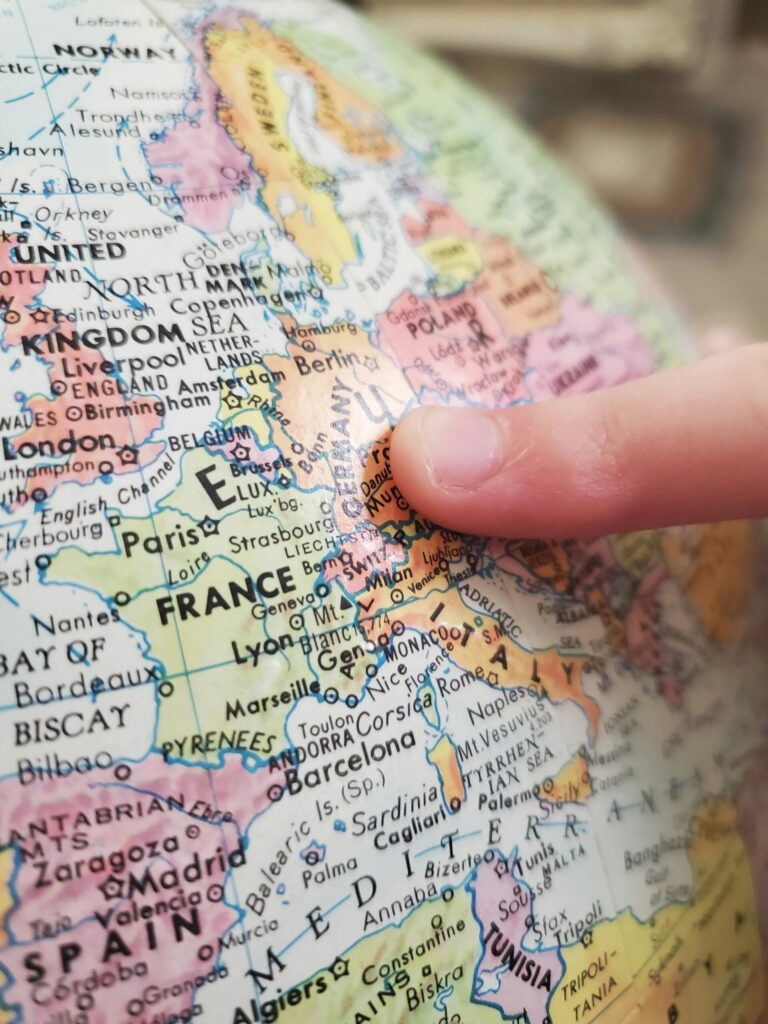
Children often think of history as something that happened somewhere else, to other people, a long time ago. Local history changes that. When children discover who lived on their land before them, why their street has its name, or how their town grew, history becomes real, personal and exciting.
Local history is also one of the best ways to practice the skills historians use: asking questions, finding sources, interviewing people and piecing together a story from evidence.
Why local history matters
- It is concrete. Children can see and visit the places they study.
- It connects to big history. National events, from the arrival of railroads to the Great Depression, happened in every town.
- It builds belonging. Children understand their community and their place in it.
- It teaches research skills. Local history requires real investigation.
- It reveals hidden stories. Children often uncover histories rarely told in textbooks.
Start with questions
Begin with what children notice and wonder:
- Why is our town here?
- Who lived here first?
- What is the oldest building nearby?
- Why are streets, schools and parks named what they are?
- How has our neighborhood changed?
- What did children do here 100 years ago?
Write the questions down. They become the guide for your investigation.
Learn whose land you live on
Every community in the United States is on the homeland of particular Native nations. Find out which nations, what their history in the area has been, and where those nations are today. Tribal websites and cultural centers are often the best sources.
In the Phoenix area, for example, children can learn about the O’odham and Piipaash peoples, the ancient Hohokam canal builders, and how modern canals follow ancient routes. In Portland, children can learn about the Chinook, Multnomah and other peoples of the lower Columbia River and Willamette Valley.
Explore with maps
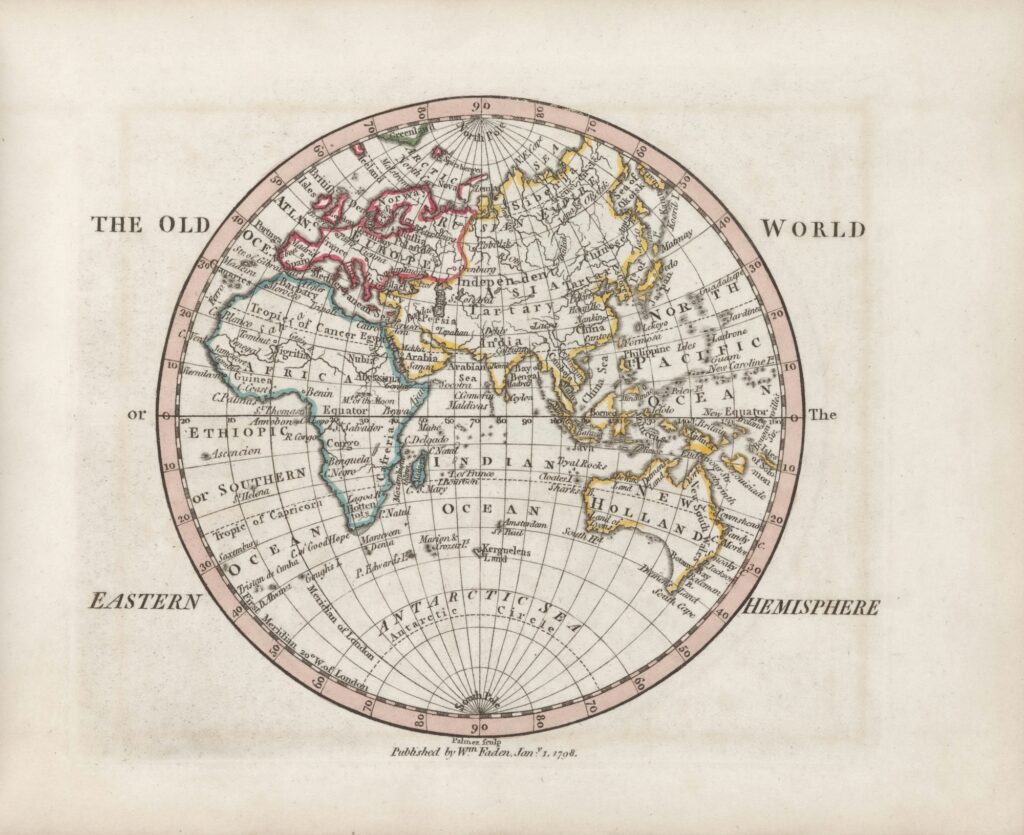
Maps reveal how places change.
- Compare a current map of your town with historical maps.
- Look at fire insurance maps, which show individual buildings in detail. Many are available through the Library of Congress.
- Trace how roads, rail lines and neighborhoods developed.
- Mark places your family has lived.
Activity: Overlay an old map with a current map and list what has changed and what has stayed.
Read the landscape
Take history walks. Look for:
- Old buildings and their dates.
- Historical markers and plaques.
- Cornerstones and inscriptions.
- Cemeteries, which reveal names, dates, families and sometimes epidemics or wars.
- Old railroad lines, canals or mills.
- Architectural styles from different eras.
Photograph and sketch what you find. Back home, research what you saw.
Visit local institutions
- Historical societies and local museums often welcome young researchers.
- Public libraries frequently have local history rooms, old newspapers and photograph collections.
- City or county archives keep records such as property deeds and old directories.
- Cultural centers of Native nations and immigrant communities.
- Historic homes and sites.
Call ahead and ask whether staff can show your child an interesting document or object.
Use old newspapers
Old newspapers are rich sources. Many are digitized through state libraries and the Library of Congress’s Chronicling America collection. Children can find what was happening in their town on a particular date: news, advertisements, prices and events.
Activity: Find a newspaper from your town on your child’s birthday 100 years ago. What was in the news? What did things cost?
Interview community members
Oral history is one of the most powerful local history tools. Children can interview:
- Grandparents and older neighbors.
- Longtime business owners.
- Members of local organizations, churches and cultural groups.
- People who have moved to the community from elsewhere.
Help children prepare questions, practice listening, record the interview with permission, and write a summary. These interviews often become treasured family records.
Connect local to national history
Help children see how national events played out locally:
- When did the railroad arrive, and what changed?
- How did the town experience the Great Depression or World War II?
- What was the civil rights history of the community?
- How has immigration shaped the area?
Include many communities
Local history should include all the people who shaped a place: Native nations, early settlers, Black communities, immigrants, workers, women and children. Some histories are less documented, so researching them may take more effort. That effort is part of the lesson.
Share what you discover
Children can present their local history research as:
- A walking tour for family or friends.
- An illustrated map of historic sites.
- A booklet or short documentary.
- A museum-style exhibit at home.
- A presentation to a local historical society.
Our approach
At Quantum Montessori, local history projects connect students’ communities to the larger American story. Families in Phoenix, Portland and beyond use maps, interviews, field visits and primary sources to research the places they live, and students share their findings with their Guides and peers.
The heart of it
Every place has a story, and every child can become its historian. When children discover the history beneath their own feet, they learn that history is not something distant. It is all around them, and they are part of it.

Written by the Guides of Quantum Montessori, who teach students from preschool through high school in our homeschool, hybrid, distance learning and Learning Pod programs. Explore our programs.