Homeschooling & Families
Floating Hearts: Making Emotional Learning Part of Everyday Education
Social-emotional learning does not stop when a learner leaves the classroom.
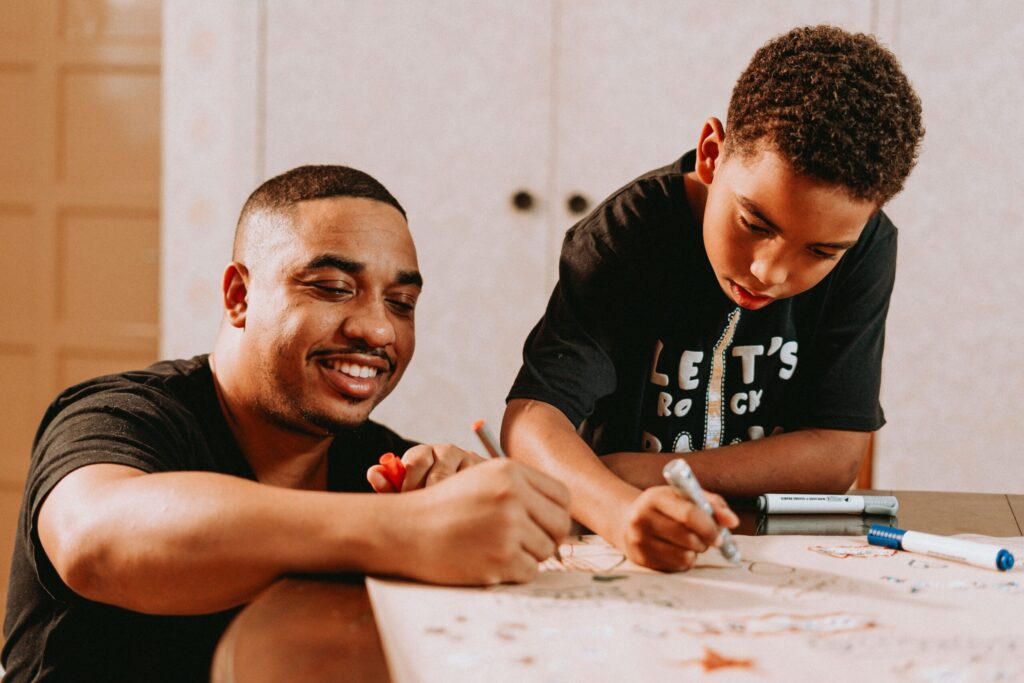
Emotional learning cannot be reduced to asking children to name a feeling at the start of the day. Children come to understand themselves and others through repeated, real experiences: disappointment during a project, disagreement with a classmate, the courage it takes to ask for help and the responsibility of repairing harm. Those moments happen every day, in every subject, whether adults plan for them or not.
Social emotional learning works best when it is woven into everyday education rather than set apart as a separate lesson. This article explains how we approach emotional learning within our community, how participation can feel safe for every child, where education ends and professional care begins, and simple ways Home Guides can extend the work at home. It also shares what Floating Hearts represents for our school.
What Social Emotional Learning Really Involves
Social emotional learning, often shortened to SEL, refers to the skills people use to understand and manage emotions, build relationships, make responsible decisions and work with others. Researchers and educators commonly describe several core areas:
- Self-awareness: Recognizing one’s own feelings, strengths and challenges.
- Self-management: Handling emotions, setting goals and persisting through difficulty.
- Social awareness: Understanding others’ perspectives and showing empathy.
- Relationship skills: Communicating clearly, cooperating and resolving conflict.
- Responsible decision-making: Making thoughtful choices that consider others.
These skills are not separate from academics. A child who can manage frustration persists longer with a hard math problem. A child who listens well contributes more to a literature discussion. Emotional and academic growth support each other.
Emotional Learning Woven Into the Day
At Quantum Montessori, we make room for emotional learning within community meetings, literature discussions, collaborative work and daily reflection. Rather than treating feelings as a topic for one lesson each week, we let them surface naturally in the work children are already doing.
Community meetings
In a small virtual gathering, a Guide might ask learners to notice what makes it easier to listen, what happens when two people remember the same event differently or how to tell someone that a comment hurt without humiliating them. These conversations build vocabulary and practice in a calm setting, before conflicts arise.
Literature discussions
Stories offer a safe distance for exploring complex emotions. When learners discuss why a character felt left out or how a friendship was repaired, they practice empathy and perspective-taking without having to share their own private experiences.
Collaborative work
Group projects naturally bring disagreements, compromises and shared successes. Guides support learners in dividing responsibilities, handling frustration and celebrating each other’s contributions.
Daily reflection
Brief moments of reflection, such as noticing what went well, what felt hard and what might help tomorrow, help children connect experiences to growth.
Participation Should Feel Safe
Emotional learning should never require a child to disclose private experiences to a group. Sharing is an invitation, not an obligation. A learner may answer verbally, type a response, choose between options or pass and return later. Every form of participation is valued.
The Guide observes without interpreting silence as defiance. A quiet child may be processing, cautious or simply prefers to listen. Our article on the quiet child explores why quiet does not always mean disengaged, and why careful observation matters.
Respecting privacy also means adults avoid pressing for details or sharing children’s experiences with others. Trust grows when children know their feelings will be treated with care.
Repair After Conflict
Conflict is a normal part of community life. What matters is how people respond. Rather than focusing only on consequences, we help learners understand what happened, how it affected others and what can be done to make things right.
A repair conversation might include questions such as: What happened? How do you think the other person felt? What could help repair this? What might you do differently next time? Learners practice offering genuine apologies, listening to each other and following through on making amends.
Repair is a skill that takes practice. Young children may need adults to guide every step, offering words and modeling what a sincere apology sounds like. Older learners gradually lead their own repair conversations, with adults available for support. Over time, children learn that mistakes in relationships, like mistakes in math, can be understood and corrected.
Repair works alongside our schoolwide expectations and consequence system. Clear boundaries and accountability remain important. Repair adds the opportunity to learn from mistakes and rebuild trust.
Education and Professional Care Are Different
We distinguish education and relationship-building from mental health treatment, which belongs with qualified professionals. Social emotional learning in school helps children build everyday skills for understanding emotions and getting along with others. It is not therapy, and Guides do not diagnose or treat.
When a child shows persistent distress, withdrawal, anxiety or significant changes in behavior, Guides share concerns with families and encourage them to consult a pediatrician or mental health professional. Educational support and clinical care serve different purposes and can work well together.
Extending Emotional Learning at Home
Home Guides can extend this work through ordinary conversations. Instead of asking only whether a child behaved, try asking how a disagreement was handled, what could be repaired and what support would help next time.
- Name feelings naturally. “You seem frustrated that the tower fell. That makes sense.”
- Read together. Talk about characters’ feelings, choices and relationships.
- Problem-solve together. When conflicts arise between siblings, guide them toward solutions rather than imposing one immediately.
- Model the skills. Acknowledge your own mistakes and follow through on making things right. Children learn as much from what they see as from what they hear.
- Create calm routines. Predictable rhythms and quiet moments help children manage big feelings.
Emotional Learning in Online Communities
Some families wonder whether emotional learning can happen in an online setting. It can, with thoughtful design. Small groups allow Guides to know each learner, notice changes in mood or participation and build genuine relationships. Breakout conversations give learners a chance to practice listening and collaboration in pairs or trios. Private chat and one-on-one check-ins offer quiet ways for learners to share concerns.
Online communities also bring together children from different places and backgrounds, which broadens perspective and builds empathy. Learners discover that classmates across the country share many of the same worries, hopes and interests.
Clear norms help online communities feel safe: cameras and microphones used respectfully, kind language in chat, no screenshots of classmates and a shared understanding that everyone deserves to be heard.
Signs Emotional Skills Are Growing
- A child names a feeling instead of acting it out.
- Siblings or classmates begin solving small conflicts on their own.
- A learner offers a sincere apology and follows through on repair.
- A child asks for help when stuck rather than shutting down.
- A learner notices when someone else is left out and invites them in.
- A child calms down more quickly after a disappointment.
These moments may seem small, but they reflect real growth. Notice and name them when you see them, because recognition helps children understand what they did well and encourages them to do it again.
Social Emotional Learning Across Ages
Young children
Focus on naming feelings, taking turns, simple problem-solving and grace and courtesy lessons such as how to greet someone or ask to join play.
Elementary learners
Build skills in perspective-taking, cooperation, managing frustration and repairing relationships. Literature and group projects offer rich opportunities.
Adolescents
Explore identity, values, healthy relationships and responsible decision-making. Teens benefit from discussions about fairness, empathy and community responsibility.
Hearts in Harmony
Our Hearts in Harmony class offers monthly LIVE sessions on social emotional skills, along with self-paced lessons and a 30-day challenge, open to families in every program. It complements the emotional learning that happens throughout the week in classes and community life.
What Floating Hearts Represents
Floating Hearts represents our continuing commitment to heart-centered community practice. It reminds us that how children feel while they learn matters, that relationships are the foundation of education and that every learner deserves a community where they can make mistakes, repair harm and grow. It reflects values shared across our family of programs, including The Intentional Family Experience, which supports families in building connected, thoughtful homes.
Frequently Asked Questions
What is social emotional learning?
It is the process of developing skills to understand emotions, build relationships, make responsible decisions and work well with others.
Do children have to share personal feelings in class?
No. Participation is always optional, and learners can respond in many ways, including typing, choosing options or passing.
Is social emotional learning the same as counseling?
No. It builds everyday skills. Mental health concerns should be addressed by qualified professionals.
How can I support emotional learning at home?
Name feelings, read and discuss stories, guide sibling problem-solving and model repairing your own mistakes.
Learning With the Whole Heart
Emotional learning happens in every part of a child’s day: in disagreements and collaborations, in stories and reflections, in mistakes and repairs. When adults make room for those experiences with care, privacy and clear boundaries, children build skills that serve them in learning, relationships and life.
To learn how emotional learning fits into our community, book a parent meeting.

Written by the Guides of Quantum Montessori, who teach students from preschool through high school in our homeschool, hybrid, distance learning and Learning Pod programs. Explore our programs.