Montessori Education
A Prepared Environment Does Not Need a Spare Room
You do not need a dedicated schoolroom to create a Montessori environment at home. You need a few intentional choices about what is within reach, what has a home, and what can go.
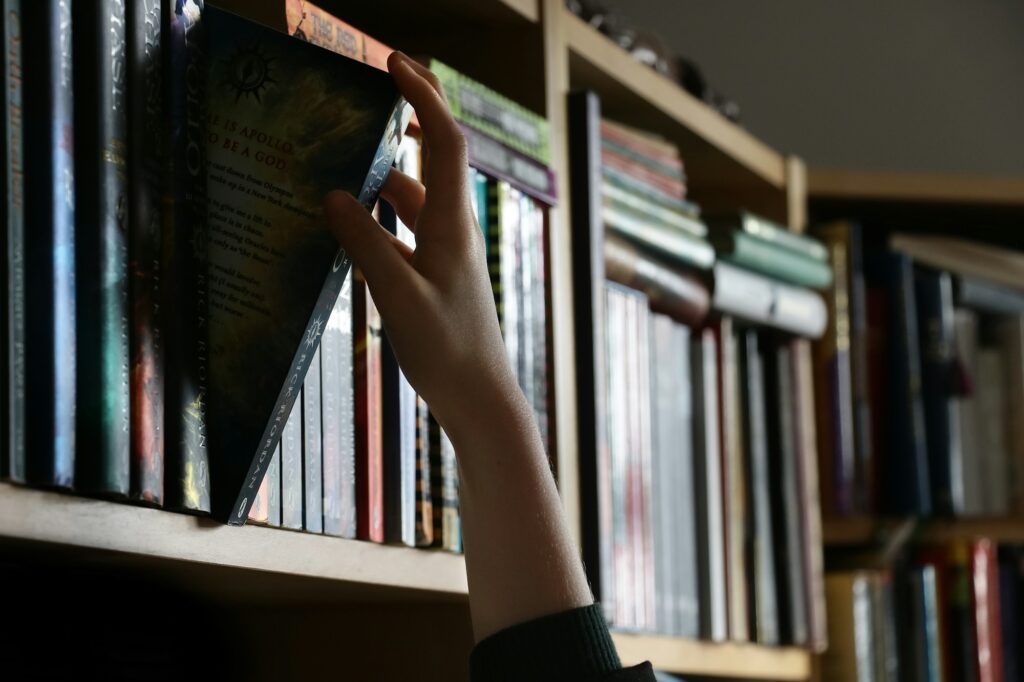
When families first learn about the Montessori idea of a prepared environment, many of them picture a classroom. Low wooden shelves. Baskets lined up in neat rows. A rug for every work. Then they look around their apartment, or their busy house with three children and a dog, and decide Montessori must be for people with more space.
It isn’t.
The prepared environment was never about square footage. It is about whether a child can find what they need, use it with some independence, and put it back. That can happen in a corner of a living room, on two shelves in a kitchen, or in a single rolling cart that gets tucked away at dinner time.
What “prepared” actually means
A prepared environment is one where the adult has thought ahead on behalf of the child. Before the child arrives at the work, someone has already asked: Can they reach it? Do they know where it goes? Is there too much here? Is anything here broken, missing pieces, or no longer interesting?
That is the whole idea. The materials matter, but the thinking matters more.
In a classroom, a Guide spends hours each week adjusting shelves, rotating materials, and watching how children move through the room. At home, you can do a smaller version of the same thing. You are not trying to recreate a school. You are trying to remove the small obstacles that make a child depend on an adult for things they could manage themselves.
Start with reach
Get down to your child’s eye level and look around the space where they learn. What can they actually reach without climbing or asking?
Often the answer is surprising. Pencils are in a drawer that sticks. Paper is on a high shelf. The book they are reading lives on the kitchen counter under the mail. Each of these is small. Together, they mean a child has to interrupt an adult several times before they can begin.
Move the everyday tools down. A cup of sharpened pencils, a small stack of paper, the current book, a ruler, scissors appropriate to their age. These should live in one predictable place that the child can get to on their own.
Give everything a home
Children cannot put things away if things do not have a place to go. “Clean up your work” is a confusing instruction when the answer to “where does this go?” changes every day.
Choose a home for each item and keep it there. Trays, small baskets, labeled bins, or even shoeboxes work well. For younger children, a picture label helps. For older children, a written label is fine, and they can help make them.
This is not about tidiness for its own sake. When a child knows where things belong, they can begin and end their work independently. That is a large part of what we mean by independence in a Montessori home.
Less is usually better
One of the most common things we see in homeschool spaces is too much. Too many books on the shelf. Too many manipulatives in the bin. Too many choices on the table.
Abundance feels generous to adults. To children, it often feels overwhelming. When there are forty things available, it is hard to choose one and stay with it.
Try putting out fewer materials and rotating them. Keep a few things your child is actively using, a few things that offer a gentle next step, and one or two things they return to for comfort or practice. Store the rest out of sight. When interest fades, swap something out.
You will often notice that a material your child ignored on a crowded shelf suddenly becomes interesting when it is one of only six choices.
Make room for real work
A prepared environment includes more than academic materials. It includes the tools for real life. A small pitcher a child can pour from. A sponge and a towel for spills. A step stool in the kitchen. A hook at their height for a jacket.
These are not extras. Practical Life is part of the curriculum, and it is often where children first experience the satisfaction of doing something for themselves. A child who can pour their own water, wipe up their own spill, and hang up their own coat learns something about capability that carries into every other area of learning.
Small-space ideas that work
Families make prepared environments in all kinds of homes. A few approaches we see work well:
- A rolling cart with three shelves that holds the current week’s work and parks against the wall when not in use.
- One low bookcase in the living room, divided by subject or by work type.
- A kitchen drawer at child height that holds their dishes, cups, and napkins.
- A clipboard and a basket for a child who works at the dining table, so their materials can be gathered quickly at mealtime.
- A floor mat or small rug that marks out a workspace, rolled up and stored when finished.
None of these require a renovation. Most can be put together in an afternoon.
Observe, then adjust
The most important part of preparing an environment comes after you set it up. Watch how your child uses it.
Do they go straight to the same two things every day? Do they avoid a certain shelf? Do they leave work unfinished because putting it away is too complicated? Do they keep asking you for something that could live within their reach?
Each of those observations tells you what to change. The prepared environment is not something you build once. It is something you keep adjusting as your child grows and their interests shift.
Questions to review each month
Once a month, take ten minutes to walk through your child’s learning space with fresh eyes.
- What has not been touched in two weeks?
- What is being used every day?
- Is anything broken, missing pieces or too difficult to put away?
- Has my child outgrown anything here?
- Is there something they have shown interest in that could be added?
These small adjustments keep the environment alive and matched to your child as they grow.
The point is the child
It is easy to get caught up in how a Montessori space looks. Beautiful shelves photograph well. But a prepared environment is measured by what the child can do in it, not by how it appears to visitors.
If your child can find their work, use it with growing independence, and return it to its place, you have a prepared environment. It might be a single shelf in a crowded room. That is enough to begin.

Written by the Guides of Quantum Montessori, who teach students from preschool through high school in our homeschool, hybrid, distance learning and Learning Pod programs. Explore our programs.