Literacy & Learning
How to Support a Child with Dyslexia at Home
What to do if your child has been diagnosed with dyslexia and you’re unsure where to start.

If you have a child that has been diagnosed with dyslexia, you may be feeling overwhelmed and unsure of what to do next. Dyslexia is a learning disability that mainly impacts reading skills. It can make it difficult for a child to read accurately and fluently, thus causing them more struggle in school. We want to explore some ways that you can support your dyslexic child and help them succeed. Let’s begin by looking at dyslexia characteristics.

Characteristics of dyslexia
Difficulty Reading accurately and fluently
One of the most noticeable symptoms of children with dyslexia is that they might have great difficulty reading accurately and fluently. This can occur in several ways, such as skipping, omitting, or reading the same word multiple times. Often, the child may have to read a sentence several times before understanding it.
Challenge Decoding words (sounding them out)
Another common symptom of child dyslexia is difficulty decoding word pronunciation. This means that individuals have trouble sounding out words correctly, making reading and spelling difficult. This can cause frustration for the child as they may feel like they cannot keep up with their peers.
Putting thoughts into writing
Many dyslexic children also have difficulty with writing. This may manifest itself in several ways, such as having trouble organizing thoughts, expressing ideas clearly, or using proper grammar. The child may also have trouble with handwriting, making it difficult for them to take notes or write essays.

Tips for supporting dyslexic child at home
There are several incredible ways to support a dyslexic child. Let’s look at some of them.
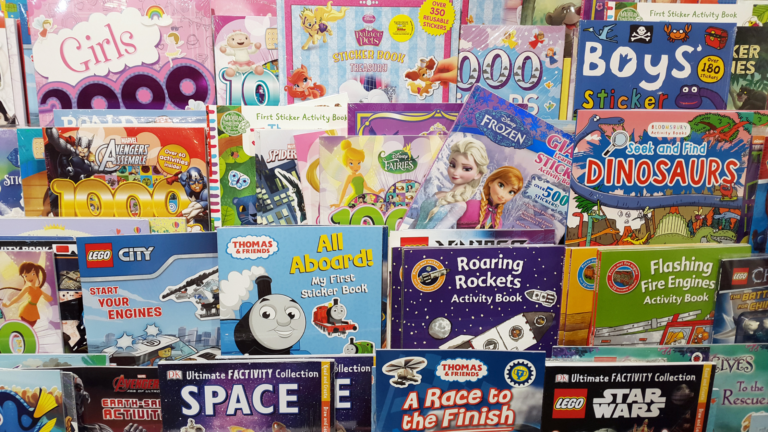
Provide them with books of larger fonts
Smaller fonts can be more difficult for dyslexic individuals to read. Opting for books with larger fonts can help make the reading experience less daunting and more enjoyable. If the child is preparing for a test with their peers, consider getting them a copy of the same test in larger font size.
Break the task into smaller chunks
Another way to support dyslexic children is by helping them break down tasks into smaller, more manageable pieces. A big project (such as history subjects) can feel overwhelming, but it can be much less if broken down into smaller steps. This will also help the child to focus better on each task.
Use visuals rather than lectures.
Dyslexic individuals often benefit from visual aids. If you’re trying to explain a concept, it can be helpful to use pictures or diagrams along with your explanation. Consider using cartoons, videos and charts if you’re teaching trigonometry. This will help the learner to understand better what you’re saying.
Positive reinforcement
It’s essential to provide positive reinforcement when a dyslexic child is making progress. For example, if they’re working on a difficult task and managing to complete it, praise them for their accomplishment. This will help to motivate them and encourage them to keep trying.

Limit long lectures
Dyslexic individuals can often have difficulty processing large amounts of information at once. When possible, try to limit lectures and instead provide group discussions which will help the child better engage with the material. For example, if you’re teaching a history lesson, consider having the child act out a scene from the period instead of just listening to a lecture.
There are many other incredible options to support a dyslexic child & every child is different and will require different accommodations. Probably the vital part is to be patient and understanding. With a little bit of extra support, dyslexic children can succeed just like any other child.
We can help!
Looking for support for your child? Quantum Montessori Guides individualize learning for each student, whether you homeschool with our planning support, add live classes, or choose a full learning day from home. Book a Parent Meeting to talk about your child.
Give us a call or connect with us today to get started! Thank you for reading.

Written by the Guides of Quantum Montessori, who teach students from preschool through high school in our homeschool, hybrid, distance learning and Learning Pod programs. Explore our programs.
Written by the Guides of Quantum Montessori, who teach students from preschool through high school in our homeschool, hybrid, distance learning and Learning Pod programs. Explore our programs.