Homeschooling & Families
Why Mixed-Age Learning Works
Montessori groups children across three-year spans on purpose. Here is what happens when older and younger learners share the same space.
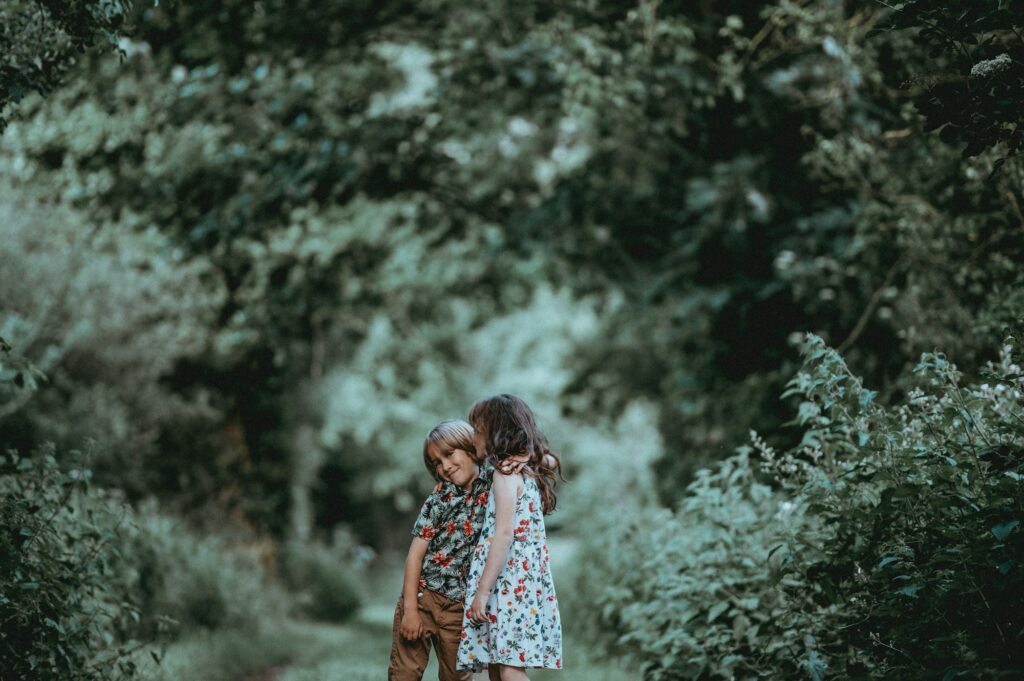
Walk into most schools and you will find children sorted precisely by age. All the seven-year-olds in one room, all the eight-year-olds in the next.
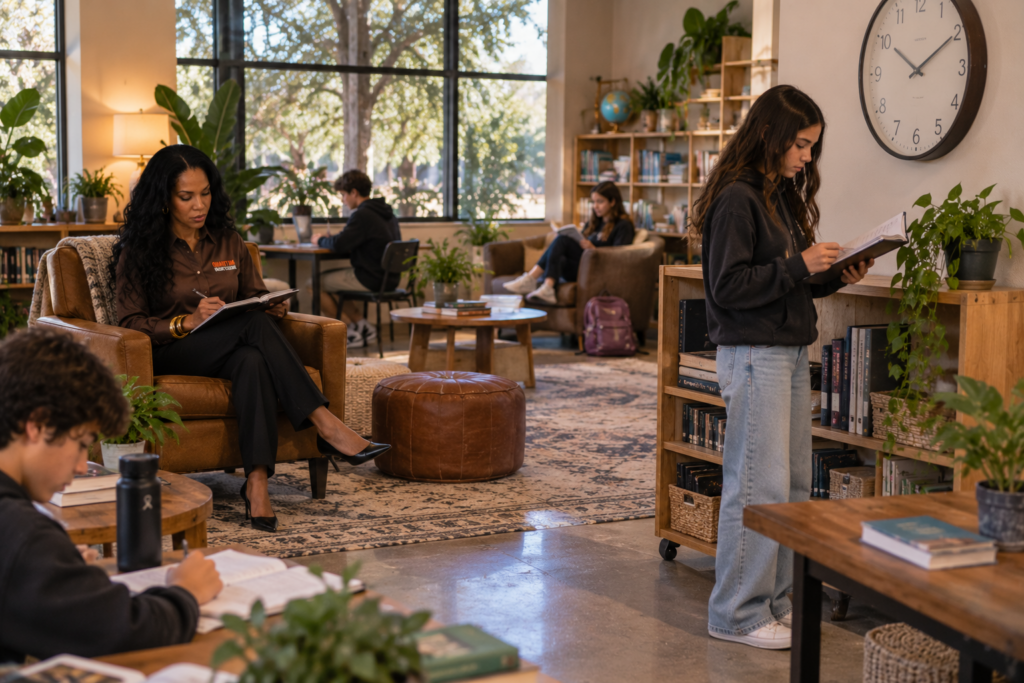
Walk into a Montessori classroom and you will see something different. A six-year-old working beside a nine-year-old. A three-year-old watching a five-year-old complete a puzzle. Children of different ages learning side by side.
This is intentional. Mixed-age grouping is one of the defining features of Montessori education, and it offers benefits that single-age classrooms often cannot.
How it works
Montessori classrooms typically group children in three-year spans that correspond to developmental stages:
- Toddler: roughly 18 months to 3 years.
- Primary: roughly 3 to 6 years.
- Lower elementary: roughly 6 to 9 years.
- Upper elementary: roughly 9 to 12 years.
- Adolescent: roughly 12 to 15 years.
Children typically stay in the same community for three years. In their first year, they are the youngest. In their last year, they are the oldest. Each role offers different experiences.
Younger children learn by watching
Younger children in mixed-age groups are surrounded by models. They see older children working on more advanced materials, using more complex language, and handling challenges they have not yet encountered.
This exposure creates natural motivation. A four-year-old who watches a five-year-old reading becomes curious about reading. A seven-year-old who sees a nine-year-old working on long division wants to try.
Younger children also absorb a great deal simply by being near more advanced work. They overhear lessons, notice materials, and pick up ideas long before they are formally taught.
Older children learn by teaching
When older children help younger ones, they consolidate their own understanding. Explaining a concept requires knowing it well. Teaching reveals gaps that the older child may not have noticed.
Older children also develop leadership, patience, and empathy. They take on responsibility for the community. They experience themselves as capable and trusted.
Many children who struggle with confidence blossom in their final year of a mixed-age group, when they become the experienced ones others look up to.
Less comparison
In single-age classrooms, children constantly compare themselves to peers who are exactly their age. Who reads best. Who finishes math first. Who is ahead and who is behind.
In mixed-age settings, comparison becomes less meaningful. Of course the nine-year-old is reading harder books than the six-year-old. Children naturally see that everyone is at a different point in their learning journey.
This can reduce pressure and allow children to progress at their own pace without feeling labeled.
Continuity of relationships
Staying with the same community and Guide for three years creates deep relationships. The Guide knows each child well, understands their history, and can plan for their long-term growth.
Children also form lasting relationships with peers of different ages. They experience being cared for by older children, and then caring for younger ones in turn.
Mixed ages at home
Homeschool families often have a natural mixed-age environment already, with siblings of different ages. Online and in-person Montessori groups can extend this, giving children experiences with peers across a range of ages.
In our Learning Pods and live classes, we often see this dynamic at work. Older students help younger ones, younger students rise to meet the example of older ones, and a sense of community grows across age lines.
What parents notice
Families who are new to mixed-age learning often share the same worries. Will my older child be held back by younger classmates? Will my younger child feel lost among older ones?
In practice, both concerns tend to fade within a few weeks. Older children are not held back, because their work is individualized. A nine-year-old in a mixed group is still working on nine-year-old work, or beyond it. The presence of younger children simply adds another dimension: the chance to lead, explain and help.
Younger children rarely feel lost, because the environment is designed for a range of abilities. There is always work at their level, and there are always older children modeling what comes next. Many younger children find it reassuring to have older peers who remember being new themselves.
Parents also notice changes at home. Older children who help younger classmates often become more patient with their own siblings. Younger children who watch older peers become more willing to try hard things. And children of all ages tend to become more comfortable speaking with people who are not exactly like them.
Making the most of it at home
If your family homeschools several children, you can lean into these benefits deliberately. Invite an older child to present a short lesson to a younger one each week. Choose a family read-aloud slightly above the youngest child’s level and let the older children help explain it. Give younger children a chance to show older siblings something they are proud of.
Small rituals like these turn a household of different ages into a learning community.
A reflection of real life
Outside of school, people rarely spend their days only with others their exact age. Families, neighborhoods, workplaces, and communities include people of all ages.
Mixed-age learning prepares children for this reality. It teaches them to learn from those who know more, help those who know less, and work with people at different stages of life.
That may be one of its most lasting gifts.

Written by the Guides of Quantum Montessori, who teach students from preschool through high school in our homeschool, hybrid, distance learning and Learning Pod programs. Explore our programs.