Homeschooling & Families
Letting Children Be Bored Is Part of the Plan
Boredom feels like a problem to solve. Often it is the doorway to a child's most creative and self-directed work.
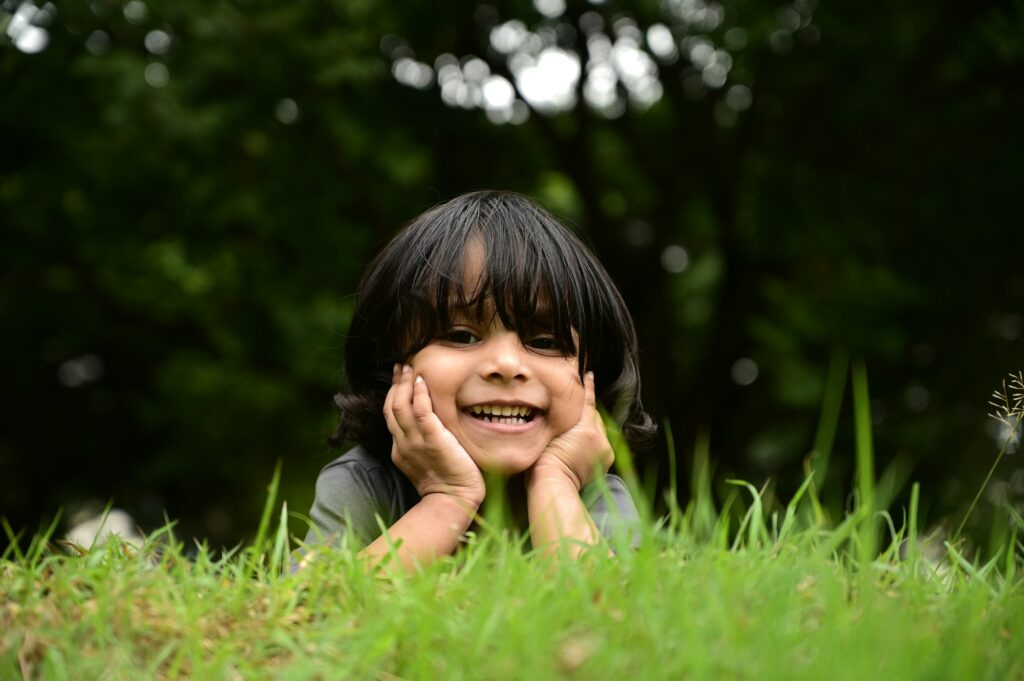
“I’m bored.”
Few words create more pressure for a homeschool parent. When you are responsible for your child’s education, boredom can feel like evidence that something is going wrong. Maybe the curriculum is not engaging enough. Maybe you are not doing enough. Maybe your child needs more activities, more outings, more stimulation.
Sometimes that is true. But often, boredom is not a sign of failure. It is the uncomfortable space a child passes through on the way to finding something they actually want to do.
The problem with filling every gap
Many children today rarely experience unstructured time. Their days move from scheduled activity to scheduled activity, and the gaps are filled with screens.
Children who never get bored never have to figure out what to do with themselves. They never have to sit with that restless feeling long enough for an idea to show up.
When we rush to solve boredom, by suggesting an activity, handing over a device, or planning another outing, we take away the chance for a child to find their own direction.
What happens on the other side
Children who are given unstructured time, and who are not rescued from it, often go through a predictable sequence.
First, they complain. Then they wander. They may poke at things, bother siblings, or lie on the floor dramatically. This phase can be loud.
Then, often, something shifts. They pick up a stick and start building. They pull out paper and start a comic. They decide to reorganize their room, or invent a game, or make a fort that takes over the living room for three days.
The work they choose in this state is often more creative and more absorbing than anything an adult could have suggested. It belongs to them.
Boredom and independence
In Montessori education, we care deeply about children’s ability to choose meaningful work for themselves. A child who can only work when someone else tells them what to do has not yet developed full independence.
Boredom is part of how that independence develops. Each time a child moves through boredom into self-chosen activity, they practice the skill of directing themselves.
This matters academically, too. Older students who can manage unstructured time well are better prepared for independent study, long projects, and eventually college and work, where much of the structure must come from within.
Making boredom productive
Letting children be bored does not mean leaving them with nothing. It means giving them access to possibilities without dictating which one they choose.
A few things help:
- Open-ended materials. Paper, tape, cardboard, art supplies, building blocks, fabric scraps, books, outdoor space. Materials that can become many things.
- Access without permission. Children should be able to reach these materials without asking. If they need an adult to get the craft box down, the moment may pass.
- Time that is actually free. An afternoon with nothing scheduled. Not ten minutes between activities, but enough time to get through the restless phase.
- Fewer screens during that time. Screens are designed to end boredom instantly, which is exactly what we are trying to avoid here.
What to say when they say “I’m bored”
You do not need to solve it. You can acknowledge it and trust them.
“It sounds like you’re not sure what to do. I’m sure you’ll think of something.”
“That’s a hard feeling. You can look through the art shelf, go outside, or read. Or you can just rest for a bit.”
“I’m going to finish my work. Let me know what you come up with.”
Say it kindly and calmly. Then let them be. The first few times may be rough. Over time, children learn that “I’m bored” will not automatically lead to entertainment, and they get better at finding their own way through it.
When boredom means something else
Not every “I’m bored” is the same.
If a child is bored during assigned work, the work may be too easy, too repetitive, or not meaningful to them. That is worth investigating. Observe what they are doing and ask whether they are ready for something more challenging.
If a child seems bored with everything for a long stretch, it may be worth looking deeper. Persistent lack of interest can sometimes signal tiredness, stress, or emotional difficulty rather than a lack of things to do.
But the ordinary boredom of a free afternoon is usually just that. Ordinary.
A boredom basket
Some families keep a “boredom basket” for moments when a child truly cannot get started. It is not filled with toys. It holds open-ended invitations.
- A ball of yarn and some cardboard for weaving.
- A blank notebook and colored pencils.
- A magnifying glass and a collection jar.
- A deck of cards with a few game rules written inside the box.
- A small pile of scrap wood, glue and sandpaper.
- A list of “things you could try”: write a letter to someone you miss, build a fort, invent a board game, make a map of the house.
The basket is not an assignment. It is a gentle prompt that still leaves the choice to the child. Many families find it gets used less and less over time, as children become more practiced at filling their own time.
Leaving space on purpose
When you plan your homeschool week, consider scheduling unscheduled time. Leave a few blocks open on purpose. Not as a reward or a break from “real” learning, but as part of the plan.
Some of the most important things children learn, like how to direct themselves, how to persist with their own ideas, and how to create something from nothing, happen in exactly those spaces.

Written by the Guides of Quantum Montessori, who teach students from preschool through high school in our homeschool, hybrid, distance learning and Learning Pod programs. Explore our programs.