American History & Heritage
Teaching History with Maps, Timelines, Artifacts and Primary Documents
Four tools transform history from memorization into investigation. A practical guide to using maps, timelines, artifacts and documents together at home.
History is not just a list of names and dates to memorize. Historians work like detectives, gathering evidence, asking questions and building interpretations of the past. Children can use the same tools. Four are especially powerful: maps, timelines, artifacts and primary documents. Used together, they help children understand where, when, how and why events happened, and they turn history into active learning.
This article offers a practical guide to hands-on history for kids, with ways to use each tool, activities for home learning, tips for different ages and ideas for combining them into rich investigations.
Maps: Where It Happened
Geography shapes history. Where people lived affected how they lived, what they traded, whom they encountered and how they traveled. Maps help children see these connections.
Ways to use maps
- Locate events. Mark settlements, battles, trade routes and migrations.
- Compare maps over time. Watch borders, cities and transportation networks change.
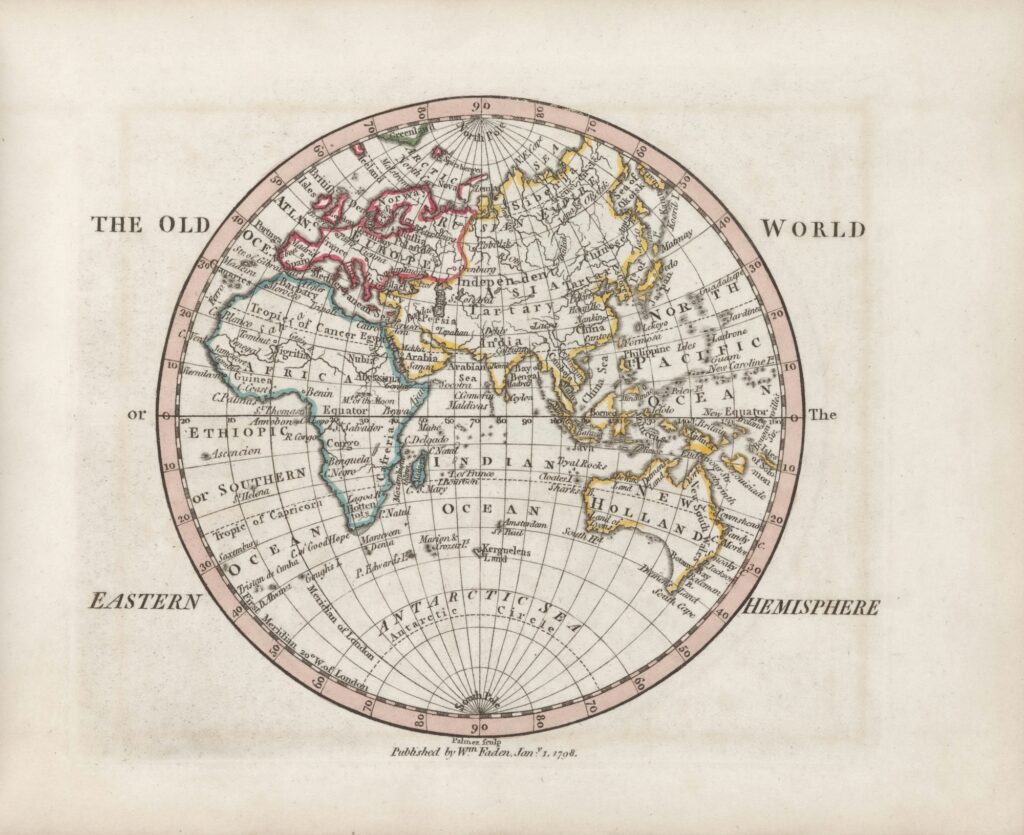
- Read historical maps critically. Ask who made the map, what it shows and what it leaves out.
- Make maps. Children draw maps of journeys, cities or their own neighborhoods.
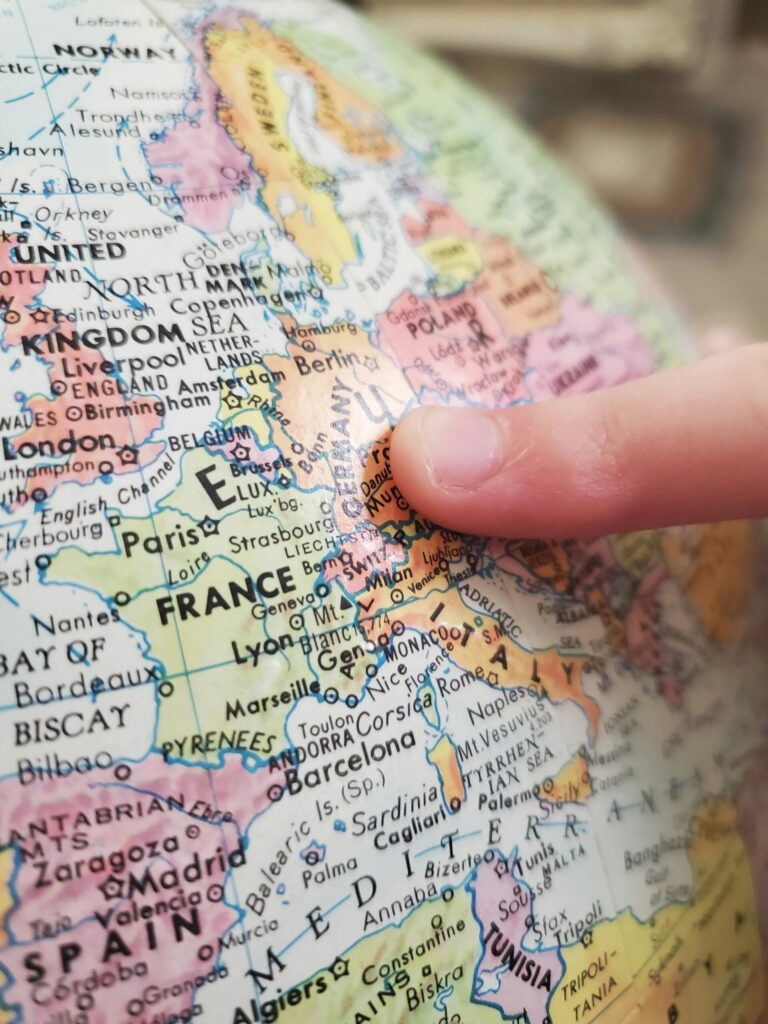
- Use physical maps. Discuss how rivers, mountains and climate shaped where people lived and traveled.
Map activities
- Trace routes such as the Oregon Trail, the Underground Railroad or the Great Migration.
- Compare maps of North America from 1750, 1800 and 1850.
- Map where your family members have lived.
- Create a map of an imaginary historical journey with a legend and scale.
Timelines: When It Happened
Timelines help children understand sequence, duration and simultaneity: what came first, how long things lasted and what happened at the same time in different places.
Types of timelines
- Long timelines show the scale of history, such as the history of people in North America.
- Period timelines focus on a specific era.
- Personal timelines follow a child’s own life or a historical figure’s life.
- Parallel timelines compare what was happening in different places at once.
- Theme timelines follow one topic, such as transportation or voting rights.
Timeline tips
- Use a consistent scale so children see relative lengths of time.
- Put timelines on walls or long rolls of paper so children can walk along them.
- Add images, not just dates.
- Keep a family timeline that grows throughout the year as you study new periods and people.
- Mark family events on the same timeline to connect personal and world history.
Montessori education uses long, illustrated timelines to help children grasp vast stretches of time, from the formation of the universe to human history. Physical timelines make abstract time visible.
Artifacts: How People Lived
Artifacts are objects made or used by people in the past. They bring history into children’s hands and spark curiosity in ways that text alone cannot.
Ways to use artifacts
- Observe closely. What is it made of? How was it made? How big or heavy is it?
- Infer. What does this object tell us about the people who used it?
- Compare. How is this object similar to or different from what we use today?
- Question. What do we still not know about it?
Where to find artifacts
Family heirlooms, antique shops, flea markets, museums, historic sites and online museum collections all offer artifacts to explore. Many museums offer high-resolution images and virtual tours. Reproductions also work well for hands-on study.
Activity: mystery artifact
Present an unfamiliar old object, such as an apple peeler, butter churn paddle or rotary phone, without telling children what it is. Ask them to observe, guess its purpose and explain their reasoning. Then reveal the answer and discuss. This activity works beautifully with siblings or small groups, since children build on each other’s observations and debate possible uses. Afterward, invite children to choose an everyday object from today and imagine how a child one hundred years from now might interpret it.
Primary Documents: What People Said
Primary sources are materials created during the time being studied: letters, diaries, photographs, newspapers, speeches, laws, maps and government records. They let children hear voices from the past directly.
Ways to use primary documents
- Identify the source. Who created it, when and why?
- Read closely. What does it say? What words or ideas stand out?
- Consider perspective. Whose point of view does it represent? Whose is missing?
- Corroborate. Do other sources agree or disagree?
Where to find primary sources
The Library of Congress, the National Archives and many state archives offer free digitized primary sources, often with teaching guides. Local historical societies and libraries hold community records, photographs and newspapers.
Primary source activities
- Read a letter from a soldier, settler or immigrant and write a response.
- Analyze a historical photograph: what do you see, think and wonder?
- Compare two newspaper accounts of the same event.
- Read a short excerpt from a famous speech and discuss its meaning.
Secondary Sources Still Matter
Primary sources are powerful, but children also need secondary sources: books, articles and documentaries written later by historians and authors who analyze the past. Secondary sources provide context, explain complex events and connect many primary sources into a coherent story. Teach children the difference. A diary written during the Civil War is a primary source. A book about the Civil War written today is a secondary source. Both are valuable, and comparing them helps children understand how history is researched and written.
Combining the Tools
The richest learning happens when children use several tools together. Studying westward migration, a child might trace the Oregon Trail on a map, place key events on a timeline, examine images of artifacts such as a wagon wheel or cooking pot and read diary excerpts from travelers. Each tool adds a layer of understanding: where, when, how and what it felt like. Together, they give children a far richer picture than any single textbook chapter could.
A Sample Investigation: The Great Migration
Here is how the four tools might come together in a two-week investigation of the Great Migration, when millions of Black Americans moved from the rural South to cities in the North, Midwest and West between roughly 1910 and 1970.
- Map: Trace common routes from Southern states to cities such as Chicago, Detroit, New York and Los Angeles. Discuss how railroads shaped those routes.
- Timeline: Place the migration alongside events such as the world wars, the Great Depression and the civil rights movement.
- Artifacts: Look at images of suitcases, train tickets and household items families carried, and discuss what people chose to bring.
- Primary sources: Read letters, newspaper advertisements recruiting workers and oral history excerpts from people who made the journey.
- Art connection: Study Jacob Lawrence’s Migration Series paintings, which tell the story in images.
A final project might be a map, a museum-style display or a short written account from the perspective of a family making the move.
Creating a Home History Corner
A dedicated history space keeps these tools accessible. Include a wall timeline, a globe and maps, a shelf of historical fiction and nonfiction, a basket of artifacts or reproductions and a notebook for recording discoveries. Rotate materials to match current studies. When history materials are visible and inviting, children return to them on their own, and curiosity grows naturally over time.
Building Historical Thinking
These tools build the skills historians use:
- Sourcing: Understanding where evidence comes from
- Contextualizing: Placing events in time and place
- Corroborating: Comparing multiple sources
- Close reading: Paying careful attention to details
- Interpreting: Building evidence-based explanations
These skills also help children evaluate information in today’s world, from news stories to online claims. A child who has practiced asking who created a source and why is better prepared to think critically about everything they read and watch.
Hands-On History for Kids by Age
Younger children
Focus on personal timelines, simple maps of familiar places, handling real or reproduction objects and looking at old photographs.
Older elementary learners
Use historical maps, parallel timelines, mystery artifacts and short primary sources with guiding questions.
Middle school and older
Analyze primary sources critically, compare perspectives, corroborate evidence and develop written historical arguments.
Our Approach
At Quantum Montessori, history comes alive through hands-on investigation, timelines and primary sources. Our Making of America course and our Great Lessons Reimagined course use these tools to help learners explore the past with curiosity and depth.
Frequently Asked Questions
What is hands-on history for kids?
It is learning history through active investigation with maps, timelines, artifacts, primary sources and projects rather than memorization alone.
Where can I find primary sources for children?
The Library of Congress, National Archives, state archives, museums and local historical societies offer free resources.
How do I use timelines with young children?
Start with a personal timeline of your child’s life, then expand to family history and historical periods.
Are reproductions as good as real artifacts?
Reproductions and images work well for observation and discussion, especially when real artifacts are not available.
History as Investigation
Maps, timelines, artifacts and primary documents turn children into historians. With these tools, history becomes a series of mysteries to investigate rather than facts to memorize, and children develop thinking skills that last far beyond any single lesson.
To explore our history courses, book a parent meeting.

Written by the Guides of Quantum Montessori, who teach students from preschool through high school in our homeschool, hybrid, distance learning and Learning Pod programs. Explore our programs.