
American Histories & Heritage · Course 10 · Thematic course
Disability, Accessibility & American Life
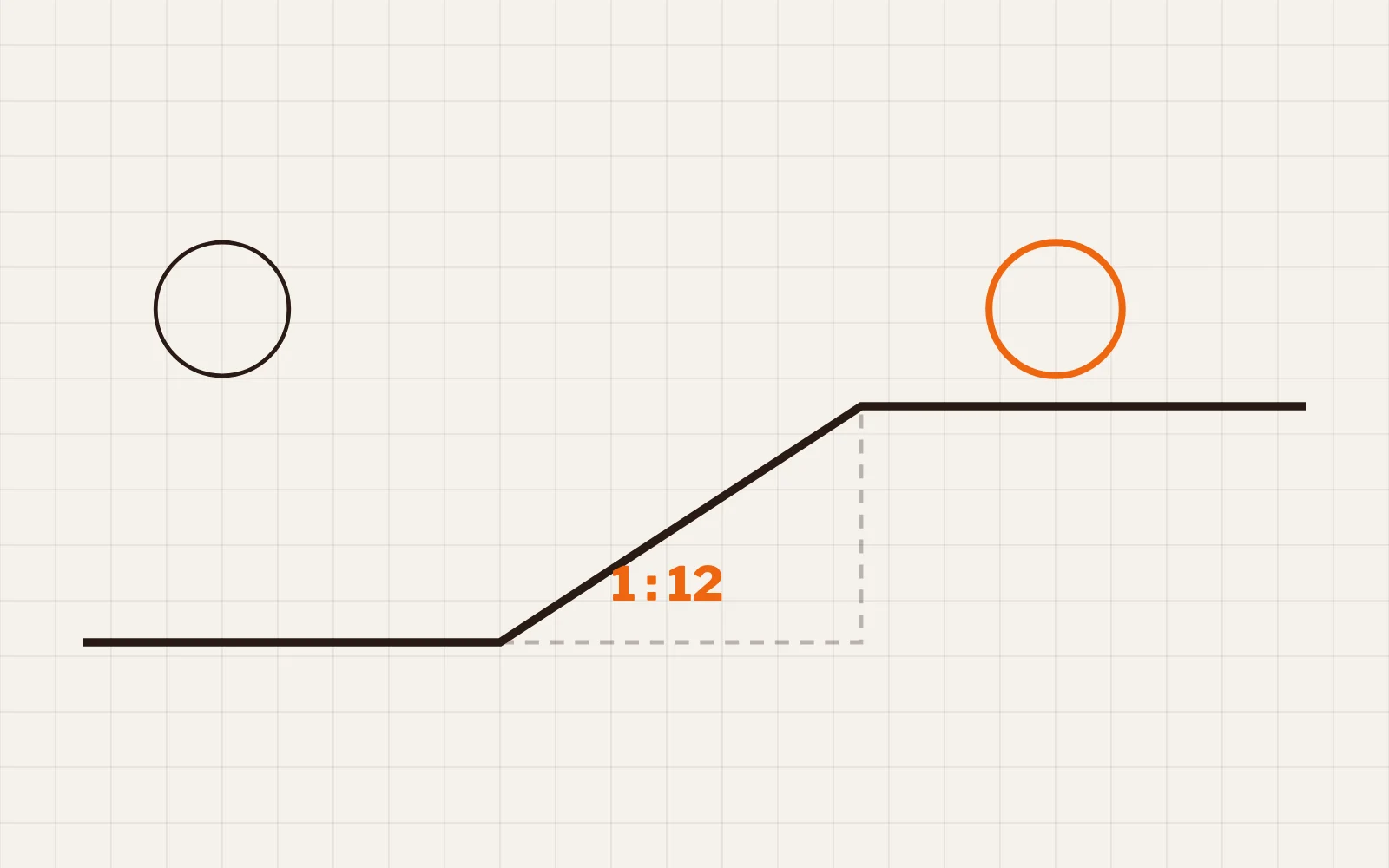
Accessibility is not only a modern design question.
In development · K–12 · Online in Canvas · Waitlist families hear first, with founding-family pricing and a sample lesson.
Why this course
Disability, Accessibility & American Life
It has a history.
Disability, Accessibility & American Life will study how disabled Americans lived, worked, learned, organized, invented, advocated, created communities, and changed the built and legal environment around them.
Students will examine disability rights, education, medicine, institutionalization, independent living, assistive technology, design, transportation, employment, law, sports, communication, and disability culture.
They will also study the difference between designing "for" people and designing with people whose lived experience changes the solution.
This course sits naturally at the intersection of history, Practical Life, engineering, law, and human-centered design.
Disability history, accessibility, education, work, assistive technology, design, law, advocacy, medicine, disability culture, and innovation.
- Disability history
- accessibility
- education
- work
- assistive technology
- design
- law
- advocacy
- medicine
- disability culture
- innovation
One question. Room to grow.
Concrete + story
Short stories, images, objects, movement, art, sorting, maps and vocabulary introduce historical ideas in concrete ways.
Build + connect
Students map, classify, build, observe, research, write, and connect people and events to larger ideas about community, invention, geography and human needs.
Context + evidence
Students investigate systems, historical context and sources, keep evidence notes, and explain what evidence supports and what it cannot establish.
Research + interpretation
Students compare and evaluate sources, build evidence-based arguments, and synthesize their learning in a substantial portfolio or digital museum.
The weekly rhythm
From a story to something they understand.
About four new Work Plans each month, released in sequence in Canvas.
- Learn the storyBegin with the week’s story and a historical image, map, patent, object or archival source.
- Build contextExplore the geography, vocabulary, institutions and historical setting behind the story.
- Work with the ideaBuild, map, sort, model, test, observe or design through Montessori and STEAM work.
- Write & explainConnect the work to history through age-appropriate writing, evidence notes or reflection.
- Check masteryState what the week’s work taught in a spoken or written mastery statement.
- Preserve the workAdd meaningful work to a year-long portfolio or digital museum.
- K–12 developmental pathways, with age-appropriate depth rather than identical work at every grade.
- A Canvas course sequence with weekly Work Plans released progressively while enrollment is active.
- Authentic sources and real data: maps, timelines, artifacts, primary documents, scientific images and verified archival materials.
- Montessori in every unit: concrete experience, Practical Life, independent work, control of error, mastery statements, reflection and portfolio evidence.
- Interdisciplinary work across ELA, math, science, social studies, art, technology and research.
- A clear line between established evidence, current interpretation, open questions, and cultural or philosophical perspectives.
Independent study
Individual Canvas access, weekly Work Plans, videos and curated sources, with mastery and portfolio guidance.
Live small group
Weekly live classes with discussion, hands-on project guidance, writing support and Guide feedback.
Private 1:1
One-on-one lessons with a Quantum Montessori Guide, paced to your learner.
Educator group
One educator and up to 10 named students, each with their own course access and implementation guidance.
Schools & organizations
We teach the class, or provide Canvas and lessons for your educator-led class.
Join the founding waitlist
Be first in line.
We’ll email you when enrollment opens for Disability, Accessibility & American Life, with founding-family pricing and a sample lesson. No commitment.
Already looking for a course you can start now? Black American History & Heritage is enrolling.
 Black American History & Heritage
 Native American Nations, History & Sovereignty
 Mexican American History & Heritage
 Asian American Histories & Heritage
 Pacific Islander American Histories & Heritage
 Jewish American History & Heritage
 Arab American History & Heritage
 American Immigration & Migration
 Women Who Built America
 Labor, Industry & the American Worker
 The Making of America: People, Systems & Communities
