Curriculum & Work Plans
Teaching Time Management to a Ten-Year-Old
Children are not born knowing how to plan a week. Time management is a skill we teach in small steps, with the adult gradually stepping back.

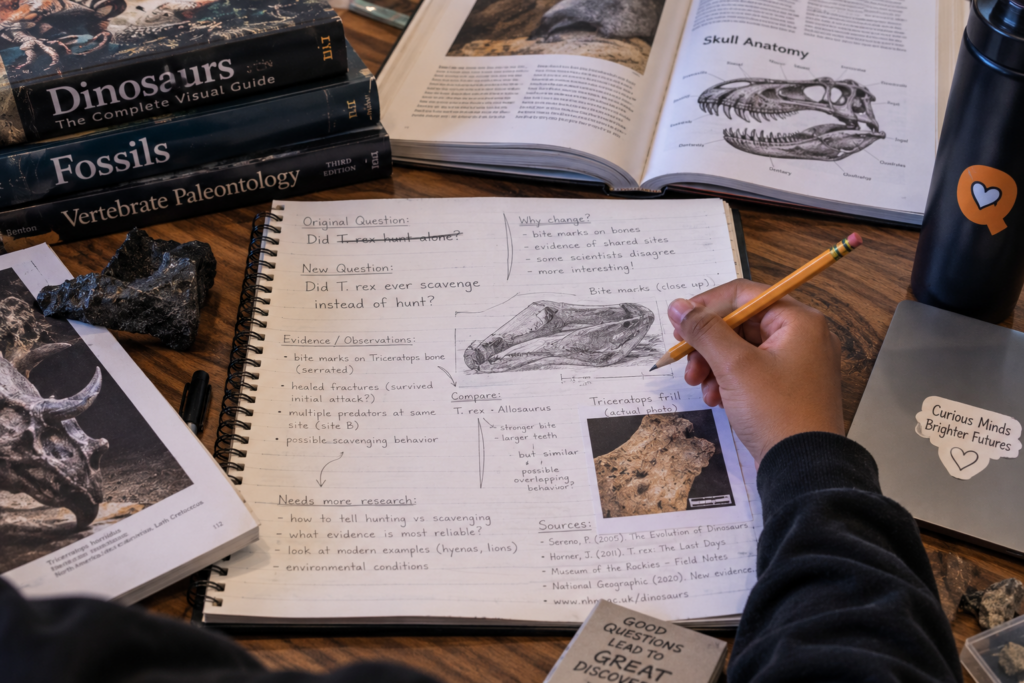
Around age nine or ten, many children start receiving work plans with more freedom. Instead of being told what to do each hour, they get a list of what needs to happen by Friday.
For some children, this is thrilling. For many, it is overwhelming. Monday feels like forever. By Thursday afternoon, there are six things left and tears at the kitchen table.
This is not a character flaw. It is a missing skill. And like any skill, time management can be taught.
Why this age matters
Children in the elementary years are developing what Montessori called the reasoning mind. They are increasingly able to think ahead, imagine consequences, and organize ideas. They also crave independence and want to make their own choices.
This makes the upper elementary years an ideal time to begin teaching planning. Children are capable of learning it, and they are motivated to have more control over their day.
But capable does not mean ready to do it alone. Most ten-year-olds need significant support at first.
Start with seeing time
Many children do not have a clear sense of how long things take. “Twenty minutes” and “two hours” may feel similar to them.
Before asking a child to plan, help them notice time. Use a visible clock or timer. Ask them to guess how long a task will take, then check. “You thought the reading would take ten minutes. It took twenty-five. What happened?”
This builds the awareness that planning depends on. You cannot schedule your week if you have no idea how long your work takes.
Plan together first
In the beginning, plan alongside your child. Sit down on Monday with the week’s work and talk it through.
“Here’s everything that needs to happen this week. Which things are big? Which are small? Which ones do you find hardest?”
Then help them spread the work across the days. Big tasks get broken into pieces. Hard tasks go at times when they focus best. Small tasks fill gaps.
Write the plan somewhere visible, like a whiteboard, a checklist, or a page in a planner. Let the child do the writing whenever possible. Ownership matters.
Check in, don’t take over
During the week, check in briefly. “How’s the plan going? Anything you want to move?”
If they have fallen behind, resist the urge to fix it for them. Instead, help them think it through. “You have four things left and two days. What do you think makes sense?”
When plans fall apart, which they will, treat it as useful information. “It looks like the science project took longer than we expected. What should we plan differently next week?”
Gradually step back
The goal is for your child to eventually plan independently. That happens in stages.
At first, you plan together. Then the child makes a draft plan and you review it. Then the child plans alone and checks in with you midweek. Eventually, they manage their own week and come to you only when they need help.
Each step happens when the child has shown readiness for it. There is no rush. Some children move quickly. Others need more time with each stage.
Tools that help
Different children respond to different tools. A few that often work well:
- A weekly checklist with tasks they can cross off. The satisfaction of checking something off is real.
- A simple planner with one page per day.
- A visual board with sticky notes they can move from “to do” to “doing” to “done.”
- A timer for children who lose track of time or struggle to start.
- A Friday reflection. Five minutes to ask: What went well? What was hard? What will I do differently?
The tool matters less than consistency. Pick one and stick with it long enough for it to become a habit.
Expect it to be messy
Learning to manage time is not tidy. Children will underestimate how long things take. They will procrastinate on hard tasks. They will finish easy work first and leave the challenging work for the end.
This is all normal. Adults do these things, too.
The important thing is that children experience the natural results of their planning, reflect on what happened, and adjust. A child who rushes through a project on Thursday night and feels the stress of it learns something that no lecture could teach.
A sample planning conversation
Here is what a Monday planning conversation might sound like with a ten-year-old.
Parent: Let’s look at your work for the week. What do you see? Child: Math pages, my book report, spelling, science notebook, and the history project. Parent: Which one is the biggest? Child: The history project. Parent: How could you break it into pieces? Child: Research Monday and Tuesday, write Wednesday, poster Thursday? Parent: That sounds reasonable. When are you most focused? Child: Mornings. Parent: So what should go in the mornings? Child: Math and writing. Spelling can be after lunch. Parent: Great. Write it on your plan. We’ll check in Wednesday.
The child did most of the thinking. The parent asked questions and offered structure. That is the balance we aim for.
Why it’s worth it
Time management may not appear on a standardized test, but it underlies almost everything a student will do later. Long research projects. High school coursework. College. Work.
Children who learn to plan their time at ten have years to practice before the stakes get high. They also gain something more immediate: a sense of control over their own day. That feeling of capability is one of the quiet goals of a Montessori education.

Written by the Guides of Quantum Montessori, who teach students from preschool through high school in our homeschool, hybrid, distance learning and Learning Pod programs. Explore our programs.